Why Most AI Fails in Real Operations
The gap between an AI demo and a production deployment is enormous. Most organizations learn this the hard way. Here's why operational AI is a fundamentally different problem.
8 min read
Resources
Insights on operational AI, platform updates, and lessons from the field.

The gap between an AI demo and a production deployment is enormous. Most organizations learn this the hard way. Here's why operational AI is a fundamentally different problem.

Foundation models are trained on the internet. Your operational data looks nothing like the internet. Understanding this gap is the first step to building AI that actually works.

Duplicate records, inconsistent naming, missing fields, tribal knowledge locked in spreadsheets. This is what real operational data looks like — and your AI system has to deal with it.

Waiting for perfect data before deploying AI means waiting forever. The best systems are designed to work with imperfect data from day one — and get smarter over time.

Everyone's focused on which model to use. The real challenge is teaching a system what a turnaround is, how your plant operates, and what 'normal' looks like for your business.
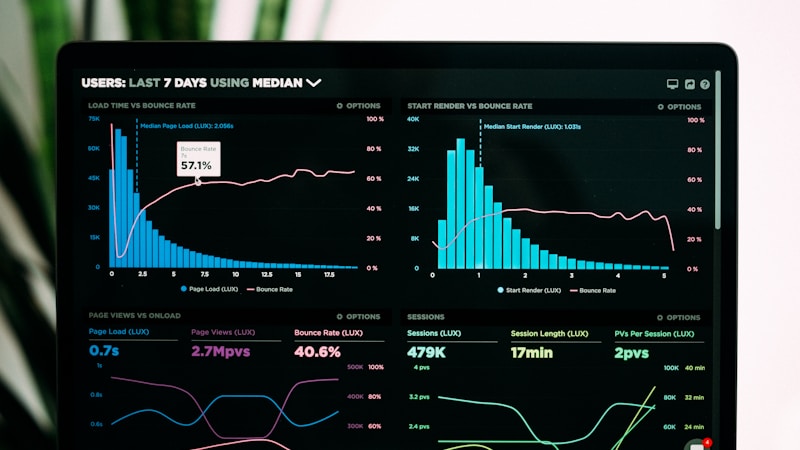
You have the data. You have the dashboards. But decisions still happen in hallways, over email, and based on gut feel. The gap isn't access — it's interpretation.

Proof of concepts work. Pilots get approved. Then everything stops. The pattern is predictable, and the fix isn't technical — it's structural.

Traditional AI cares about accuracy. Operational AI cares about reliability, latency, explainability, and trust. Different game, different rules.

Dashboards tell you what happened. Operations teams need to know what to do next. The shift from visualization to intelligence is the most important change in enterprise software.

More charts. More filters. More tabs. And somehow, less clarity. The dashboard paradigm was built for a world with less data and simpler operations. That world is gone.